Email remains the primary channel of communication, especially in today's business environment.
At the same time, it is the most popular vector for attacks. Phishing, malicious attachments, and social engineering create daily risks for organizations. When the inbox is full and email services can be compromised, a channel is needed that is guaranteed to deliver critical instructions to employees.
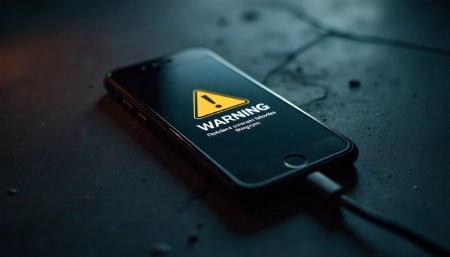
Mass texting becomes such a backup channel. Instant SMS messages to mobile devices allow you to deliver short, priority instructions or warnings without relying on corporate email.
Mass Texting and Modern Cybersecurity Incident Response
Mass texting for cybersecurity awareness as a strategy complements traditional means of notification. The key value of SMS lies in its speed of delivery and high probability of being read within minutes of being sent.
This is critical during incidents, i.e., when operational teams need to be informed immediately. SMS does not require access to corporate email or VPN. Therefore, it can be used even when network services are limited or disabled. This makes mass texting an important part of a multi-channel alerting strategy.
Effective communication during incidents also requires the ability to engage in dialogue to clarify status and coordinate actions. During cybersecurity incident response, combining mass texting with two-way communication tools allows you to:
- Deliver real-time security alerts;
- Receive immediate confirmation or short reports from employees.
Efficiency and reliability
If you are interested in approaches that transform one-way notifications into interactive exchanges, you should familiarize yourself with the following concept. We are talking about conversational messaging. It shows how the combination of text and two-way dialogue improves cyber threat communication. It also increases employee security awareness.
SMS alerts for incident response speed up the delivery of critical messages. That is, instead of waiting for a mailing, the response team receives brief instructions on their phone with a request to confirm receipt. This significantly reduces time-to-acknowledge. It also allows for quick initiation of containment operations.
Practice shows that such messages require clear triggers, approved templates, and escalation rules. Such approaches are already being implemented by incident response providers, who are adding SMS to their toolkit for instant team notification.
Integrating Mass Texting into Incident Response Workflows
Mass texting security alerts should be part of an automated workflow. That is,
- SIEM should send events to SOAR.
- SOAR should trigger SMS alerts to responsible persons according to the playbook.
When the mass messaging platform is integrated with monitoring tools, messages can include links to:
- Ticket;
- A short set of actions;
- Assigned owner.
Such integrations reduce manual coordination and ensure accountability. They also allow you to track the response cycle after the incident is resolved.
Training, Awareness, and Incident Response Performance
SMS alerts, cybersecurity awareness, and employees act as a channel for raising everyday awareness among staff. Short tips, phishing test simulations, and reminders about safe working practices can form reflexes. In particular, these relate to checking the sender's address or avoiding dangerous attachments.
Organized SMS messaging programs for employees improve the effectiveness of communication in crises. They also increase the degree of compliance with instructions during emergencies.
Managing alert fatigue. Prioritizing messages
To avoid a decline in attention, companies need to strictly regulate which events require SMS and when to use other channels. Recommended:
- Introduce message categories and escalation rules;
- Set limits on the number of SMS messages per user per day.
Controlling the text of the message — i.e., conciseness, clear instructions, and indication of the expected action — helps to avoid misunderstandings and reduce psychological stress.
Practical Steps for Implementing Incident Response Messaging
- Conduct an audit of available contacts. Obtain consent from employees. Protect the contact database in accordance with confidentiality requirements.
- Conduct regular drills and tabletop exercises in which the SMS channel is used in simulated incidents. Analyze the time from sending to confirmation. Adjust templates.
- Develop short, standardized templates. Take action. Confirm receipt to minimize ambiguity.
- Require the provider to encrypt messages on the backend, audit logs, and certify security. Reduce the amount of sensitive information in the text.
- Connect SMS to SIEM/SOAR. Collect metrics on delivery and effectiveness.
- Use SMS for short training reminders. Collect responses. Adjust employee security awareness programs based on analytics.
- Consider the risk of social engineering via SMS. Explain to employees the rules for distinguishing corporate messages from phishing.
Measuring Incident Response Effectiveness and Choosing a Provider
The implementation of mass texting must be accompanied by specific KPIs. Specifically,
- Time from sending to acknowledgment (time-to-acknowledge);
- Delivery rate;
- Percentage of acknowledgments;
- Average time to complete instructions.
These metrics allow you to track the relevance of templates and adjust triggers.
Providers
Pay attention to:
- Ability to integrate with existing SIEM/SOAR;
- Availability of API for automation, SLA for delivery, and a receipt confirmation feature.
Legal aspects are important:
- Opt-in/opt-out mechanisms;
- Log retention for auditing.
- Compliance with data protection standards in the jurisdictions where employees work.
Technical details determine the flexibility of the solution and its suitability for large-scale incidents. These include:
- Use of short codes versus virtual numbers;
- Fallback capability to voice calls or push notifications;
- Support for two-way communication (RCS or integration with messengers).
Check the availability of the service during peak loads. Plan regular drills to ensure that the platform works correctly during a real crisis.
Strengthening Cybersecurity Through Incident Response Messaging
When properly designed and implemented, mass texting for cybersecurity significantly increases response speed and improves coordination. Just as important, it builds a stronger culture of security among employees. By combining SMS security alerts with automated workflows, two-way communication, and regular training, organizations can reduce the risk of human error and act faster in critical moments.
The real value comes from balance — controlling message frequency, protecting contact details, and training employees to recognize social engineering risks. Done right, mass texting doesn’t just support awareness programs; it becomes a dependable layer of protection that ensures incident response is faster, clearer, and more effective when it matters most.
Final takeaways:
- Balance the frequency and priority of messages.
- Protect contact details;
- Continuously assess social engineering threats to ensure that SMS remains a reliable support channel.
By pairing SMS alerts with conversational messaging tools, organizations can transform cybersecurity communication into a faster, more collaborative process.


Other FAQs
- Exploring Malicious Code Risks: Strategies for Email Safety
- Proven Strategies for Effective Malware Removal on Windows Computers
- Why Outsourcing Email Security is Critical for Modern Businesses
- Comprehensive Guide to Safeguarding Against Domain Spoofing Threats
- Effective Strategies to Combat Insider Threats in the Workplace
- Strategies for Email Authentication to Counter CEO Impersonation
- Critical Factors for Selecting Email Security Solutions in Business
- Harnessing Managed Security Services for Enhanced Cybersecurity Vigilance
- Effective Penetration Testing Techniques for Cybersecurity Enhancement
- Managed SIEM Solutions: Boosting Email Security for Small Businesses

Join Our Community
of Readers!